
UGM Strengthens Academic and Cultural Partnerships in Timor-Leste
Institutional visits to UNTL and the Indonesian Cultural Centre opened new pathways for collaboration in culture, language, history, education, tourism, research, and community engagement.

A Universitas Gadjah Mada delegation visited key academic and cultural institutions in Dili, Timor-Leste, to strengthen regional partnerships and explore future collaboration in teaching, research, cultural exchange, tourism, internships, publications, and community engagement.
Led by Prof. Dr. Muti’ah Amini from UGM’s Faculty of Cultural Sciences, the delegation met with representatives of Universidade Nacional Timor Lorosa’e (UNTL) and the Indonesian Cultural Centre at the Embassy of the Republic of Indonesia in Dili.
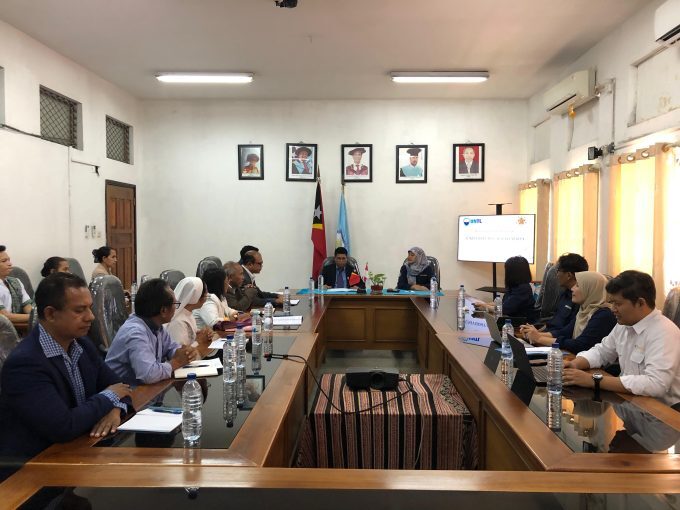
Strengthening Collaboration between UGM and UNTL
The meeting brought together senior representatives from both universities to identify practical areas for long-term academic and institutional cooperation.
The UGM delegation met with UNTL’s senior leadership, including the Rector, Vice-Rector for Cooperation, faculty deans, programme heads, university founders, and representatives from several academic departments.
The delegation was welcomed by Ms. Celine, a UGM Biology alumna from the class of 1992, and Prof. Armindo Maia, the first Rector of Universitas Timor Timur, which later became UNTL. Their exchange of experiences from their time in Yogyakarta reflected the longstanding historical and academic relationship between the two institutions.
During the meeting, UNTL presented the history of its institutional engagement with UGM and highlighted the potential of its Indonesian Cultural Studies Centre to serve as a platform for collaboration across teaching, research, and community engagement.
UNTL Rector Prof. Dr. Eng. Joviano António da Costa, M.Eng., expressed the university’s commitment to strengthening university-to-university cooperation, particularly in culture, language, literature, history, tourism, education, and related disciplines.
Prof. Dr. Muti’ah Amini introduced the academic programmes and ongoing initiatives of UGM’s Faculty of Cultural Sciences. Discussions also explored UNTL’s plans to strengthen its History Study Programme through potential collaboration with UNESCO and UGM’s History Study Programme. This cooperation could support academic capacity-building, research, and curriculum development.
UNTL also identified tourism as an important area for future cooperation, including human resource management, tourism attraction management, and destination development. Opportunities for joint research, academic publications, and knowledge exchange were also discussed.
Representatives from UNTL’s Faculties of Education, Arts and Culture, Philosophy, and Tourism expressed interest in contributing to future collaborative activities. Particular emphasis was placed on the importance of cross-regional research in arts, culture, education, and community-based knowledge.
Both institutions agreed that developing and signing a Memorandum of Understanding would be an important first step towards ensuring that future cooperation is formalised, systematic, and sustainable.
The proposed partnership supports several Sustainable Development Goals, particularly SDG 4: Quality Education, SDG 8: Decent Work and Economic Growth, and SDG 17: Partnerships for the Goals.
Visit to the Indonesian Cultural Centre
The delegation’s second visit focused on student opportunities, cultural diplomacy, access to knowledge, and stronger connections between Indonesian and Timorese institutions.
Following the meeting with UNTL, the delegation visited the Indonesian Cultural Centre at the Embassy of the Republic of Indonesia in Dili.
Mr. Jose Paulo, a staff member of the Centre, received the delegation. Discussions focused on opportunities to strengthen academic and cultural relations between Indonesia and Timor-Leste.
Several potential areas of collaboration were identified.
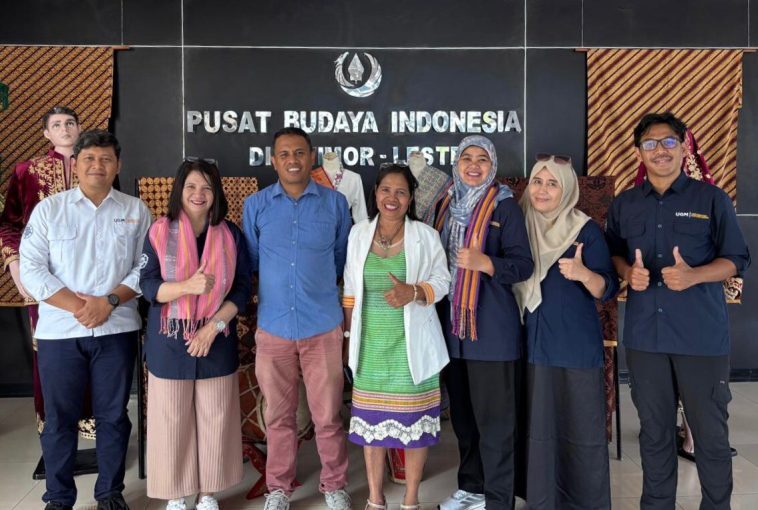
Internship Opportunities for UGM Students
The Indonesian Cultural Centre expressed its willingness to host UGM students for internships focused on introducing Indonesian culture, arts, and traditions to local communities.
These opportunities could allow students to apply their academic knowledge and develop practical experience while contributing to cultural diplomacy and community engagement in Timor-Leste.
Establishment of a UGM Corner
The Centre welcomed the proposal to establish a UGM Corner featuring information about the university, educational materials, infographics, and details of its academic programmes.
The initiative could increase UGM’s visibility in Timor-Leste and provide prospective students with easier access to information about study opportunities at the university.
Donation of Indonesian Publications
The delegation discussed donating books and other publications from Indonesia to enrich the library collection of the Indonesian Cultural Centre.
The proposed donation would support literacy, access to knowledge, and greater public understanding of Indonesian scholarship, society, history, and culture.
Research and Community Engagement Collaboration
The Indonesian Cultural Centre expressed its readiness to facilitate connections between UGM and relevant institutions in Timor-Leste for joint research, community engagement, and cultural diplomacy initiatives.
These partnerships could contribute to the development of knowledge and cultural practices while strengthening academic relations between Indonesia and Timor-Leste.
Advancing Regional Academic Partnerships
Together, the visits demonstrated how institutional partnerships can connect universities, cultural organisations, students, researchers, and communities across Southeast Asia.
The discussions opened pathways for multidisciplinary collaboration in culture, language, literature, history, education, tourism, research, publications, internships, curriculum development, and community engagement.
They also reaffirmed UGM’s commitment to educational and cultural diplomacy and to building partnerships that can generate sustained academic and social benefits across the region.
UGM’s visit was supported by the Swedish International Development Cooperation Agency (Sida) through the Cultivating the Humanities and Social Sciences and Supporting Under-Represented Scholars of Asia (CHSS) programme.
CHSS is a transnational inclusion initiative established by the Association for Asian Studies (AAS) to strengthen opportunities, institutional partnerships, and academic networks for humanities and social sciences scholars across Asia.