AAS-in-Asia 2026 Lahore Pre-Conference Workshop:
Disjointed Feminist Futures: Reframing Turbulence, Mobility, and Intimacy across South and Southeast Asia

Workshop Dates: 23rd–24th September 2026
Venue: Lahore University of Management Sciences (LUMS), Lahore, Pakistan
Mentors: Vilashini Somiah, Senior Lecturer, Gender Studies Programme, Universiti Malaya (University of Malaya), Faculty of Arts and Social Sciences.
Amen Jaffer, Associate Professor, Lahore University of Management Sciences (LUMS), Mushtaq Ahmad Gurmani School of Humanities & Social Sciences.
Jane Ferguson, Associate Professor, Australian National University, School of Culture, History & Language.
Elora Shehabuddin, Professor, UC Berkeley, GWS and Global Studies.
AAS Lead: Krisna Uk, Project Director, CHSS
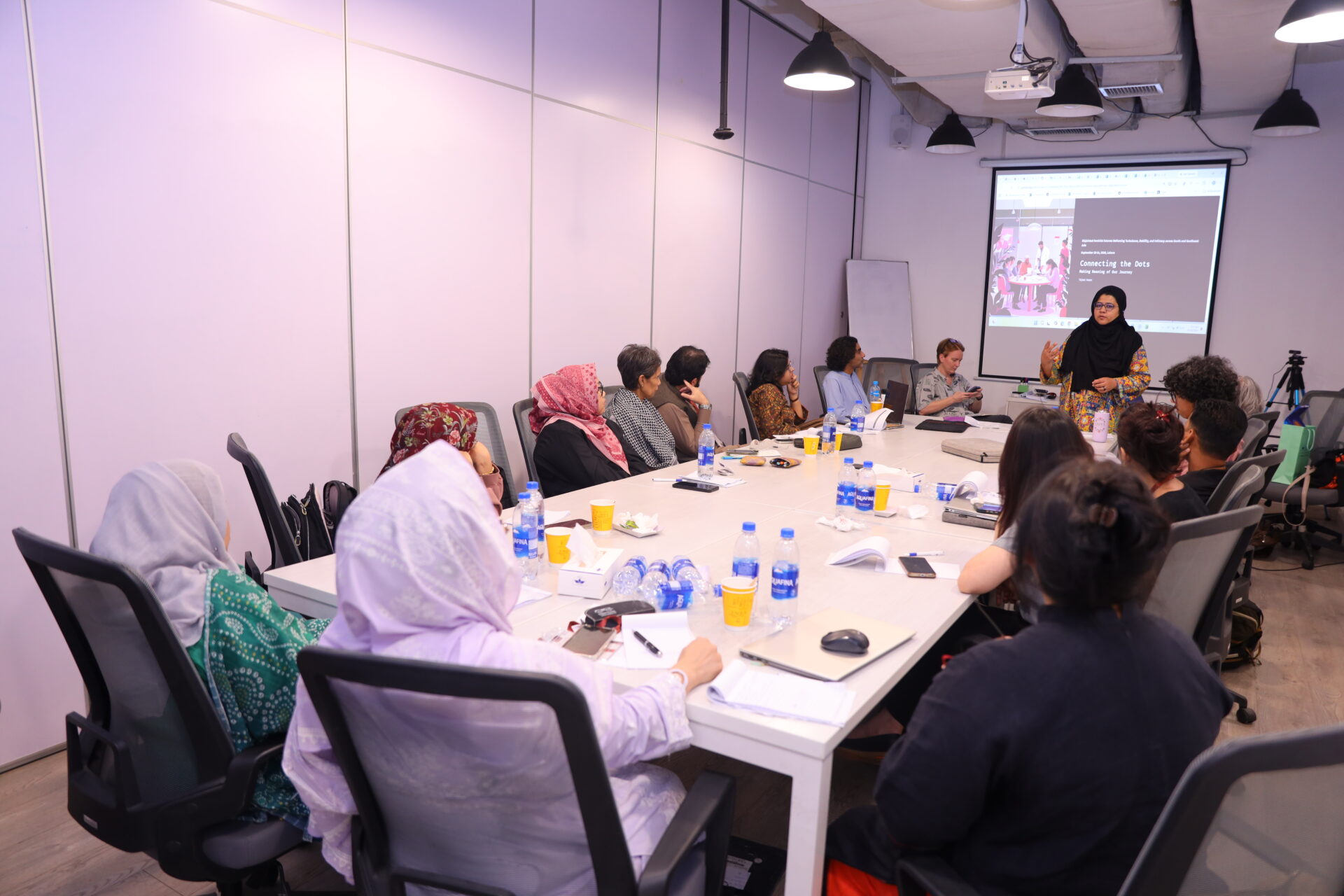
Workshop Manager: Tajwar Awan, CHSS MEL Coordinator
In association with the Association for Asian Studies (AAS), sponsored by the Swedish International Development Cooperation Agency (SIDA)
Workshop Day 1:
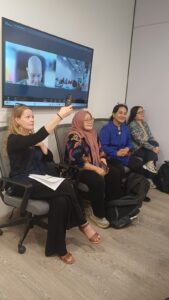
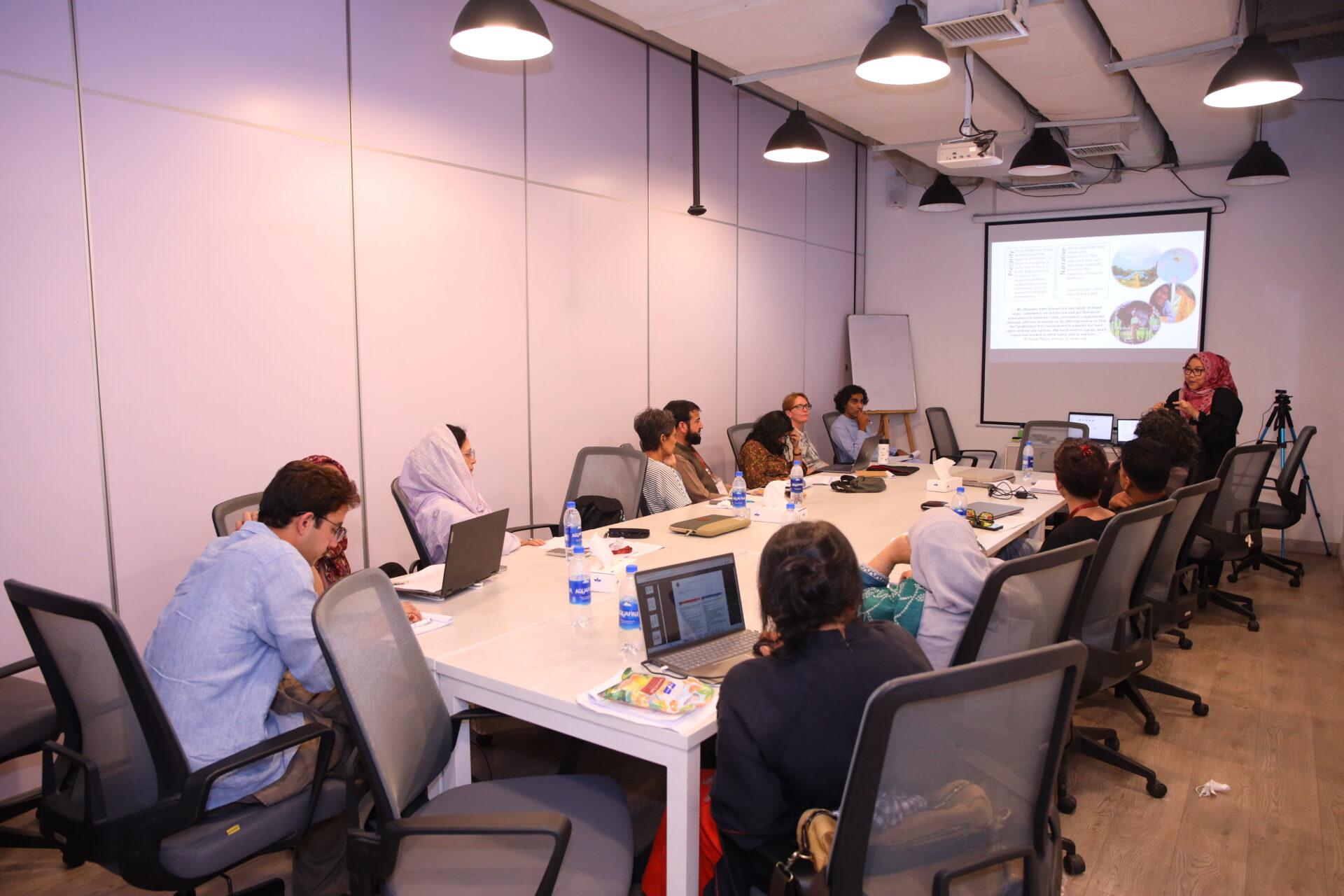
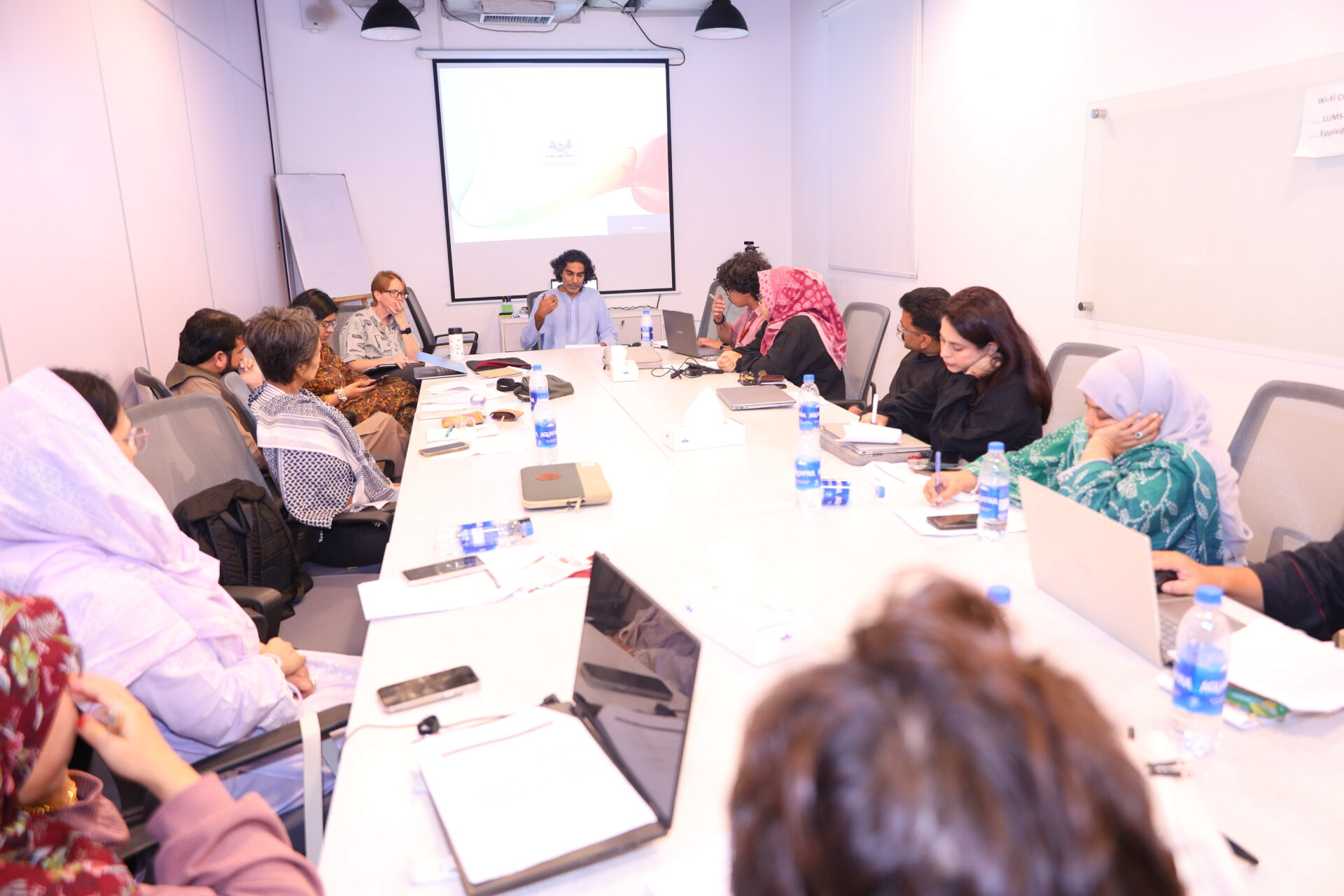
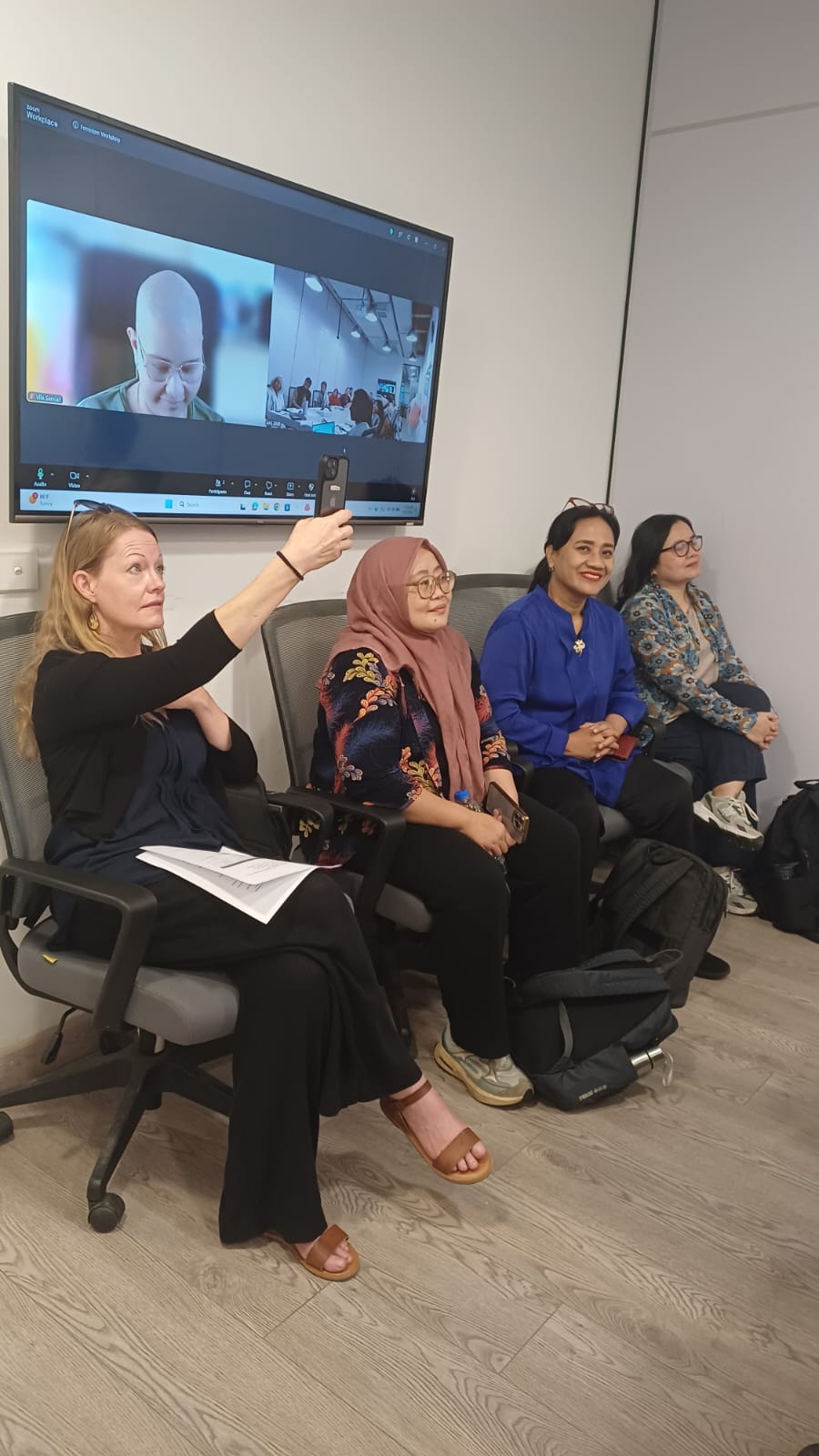
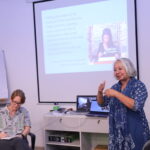
Following welcome and introductions, the workshop opened with Vilashini Somiah’s provocative presentation, “When Things Don’t Line Up: Towards a Theory of Disjointedness.” The talk was especially noteworthy and poignant given that the speaker, who was originally planning to join in Lahore, could not travel due to her chemo sessions. She presented via Zoom. Vila’s forthrightness about her body, human materiality, and her direct, humorous engagement with these topics were inspiring in bringing together solidarity and urgency in how we think about Disjointed Feminist Futures. Academic work and theory is not just thinking, it is finding a problematic in being. Participants were inspired to think about “when things don’t line up” as a segue to consider the framing of, and introspection to, everyday life and its problematics.
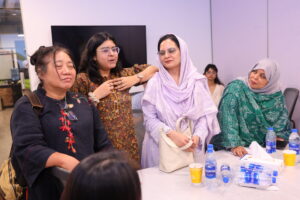
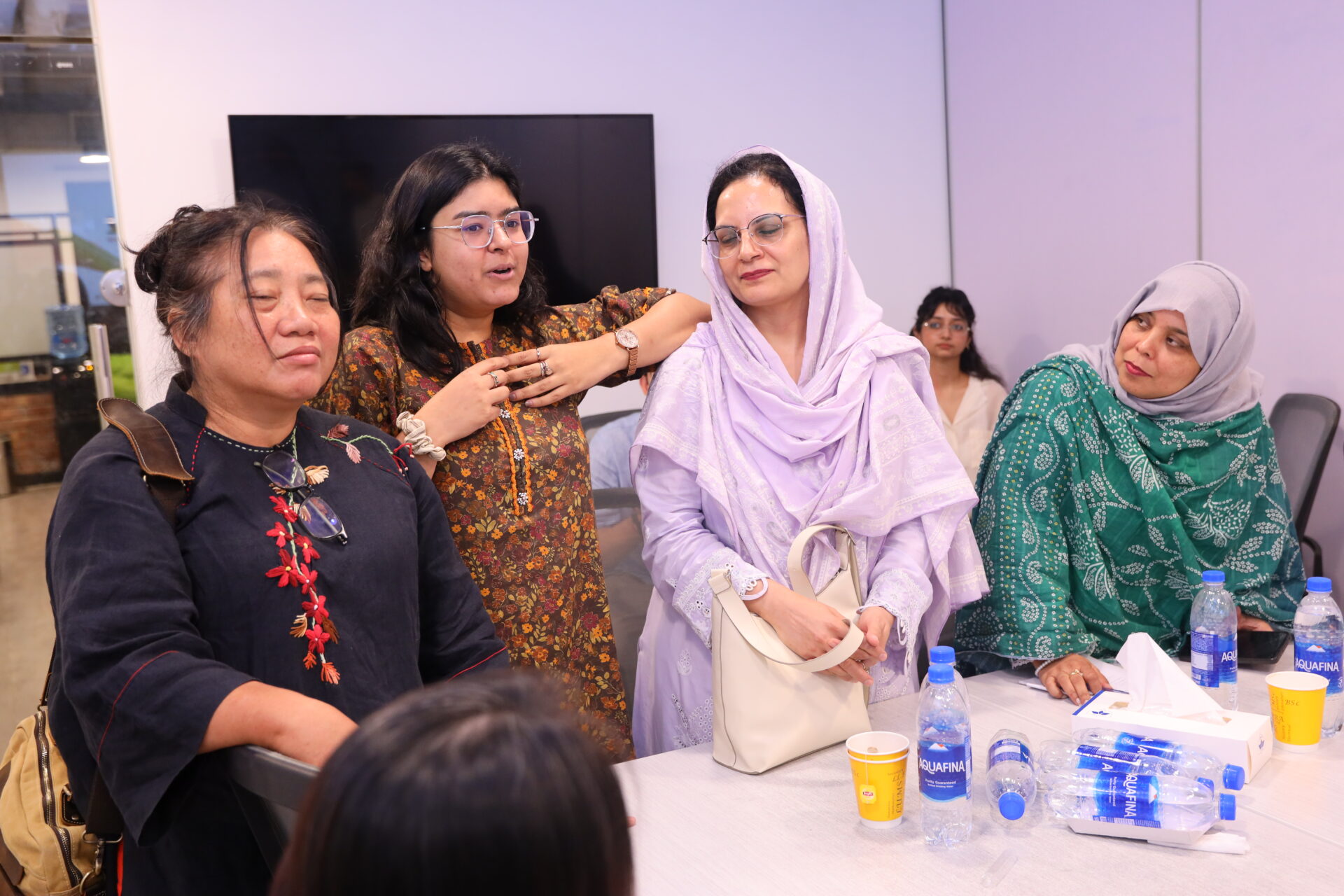
For an opening conversation, following Vila’s presentation, participants engaged in small group discussions, reflecting on the deceptively simple question, “Who – and what – is a feminist?”
Following lunch, mentors gave two research presentations for a mini-panel, “Ethnographies of the Spirit and the Sky,” with Amen Jaffar presenting on “Embodying Sufism: The Spiritual Cultures of Non-Binary gender (Khwaja Sira) communities in Pakistan,” and Jane Ferguson presenting on “Sky Poo: Emotional Labour and Airline Toilet Ethnography.” Each presentation sought to highlight how ethnographic empathy can unpack subjective ways of seeing and can challenge and see new forms of feminist research, creating inroads to existing hegemonic understandings of kinship, service work, and resignification.
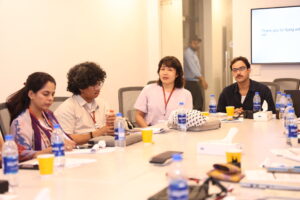
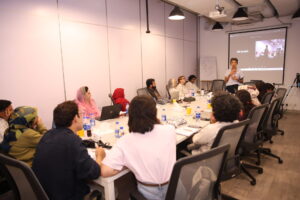
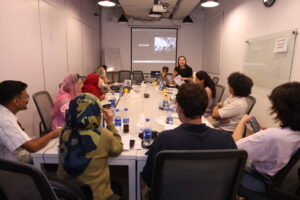
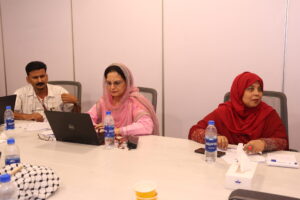
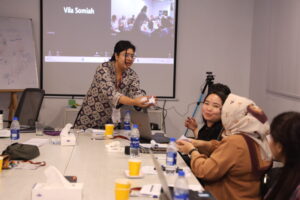
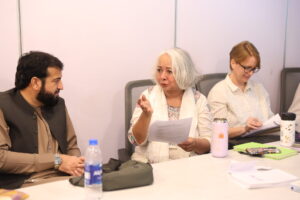
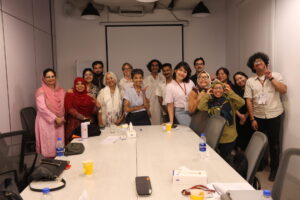
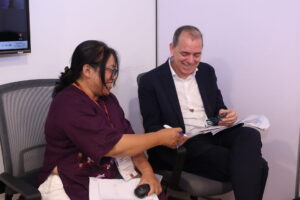
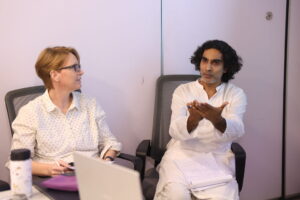
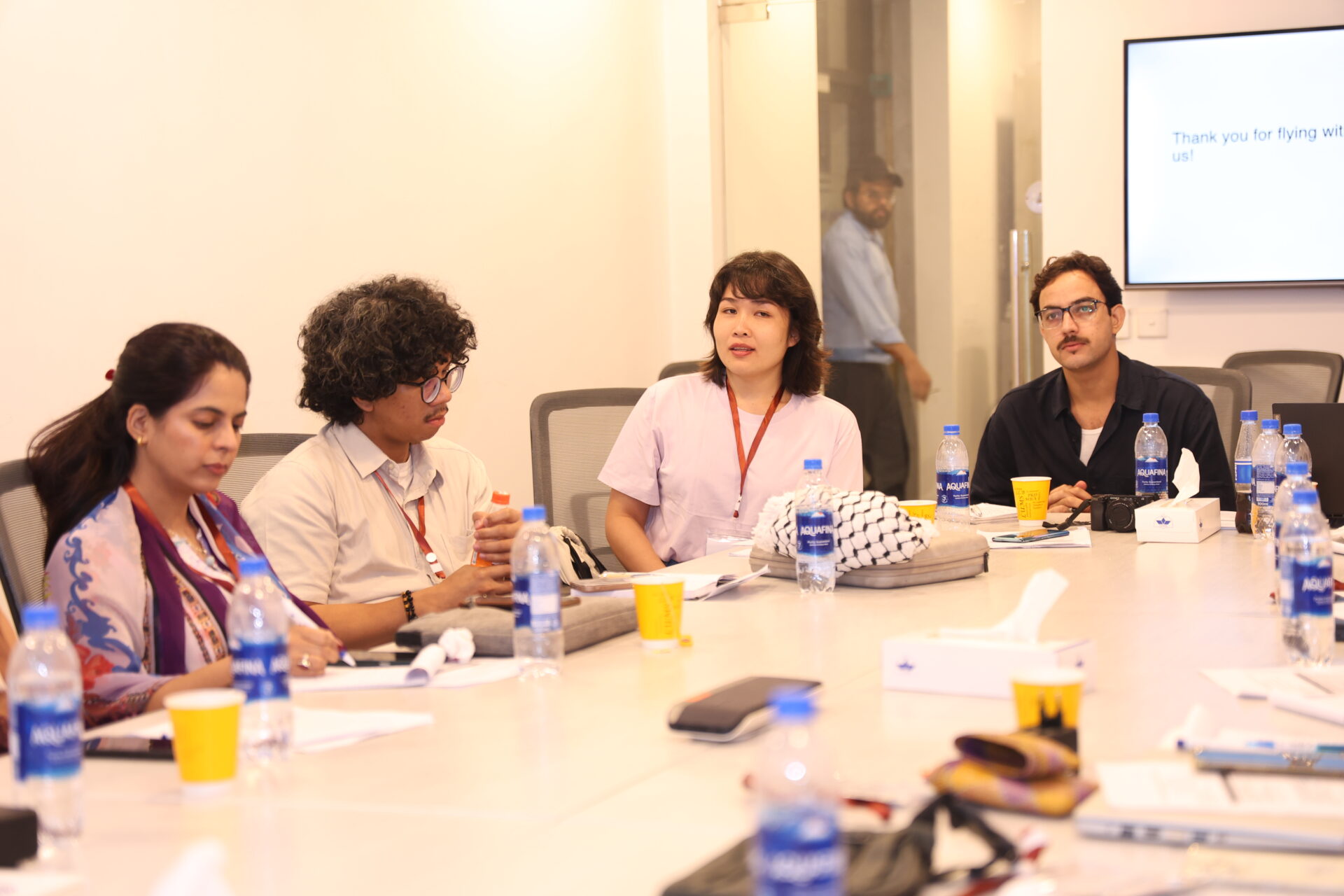
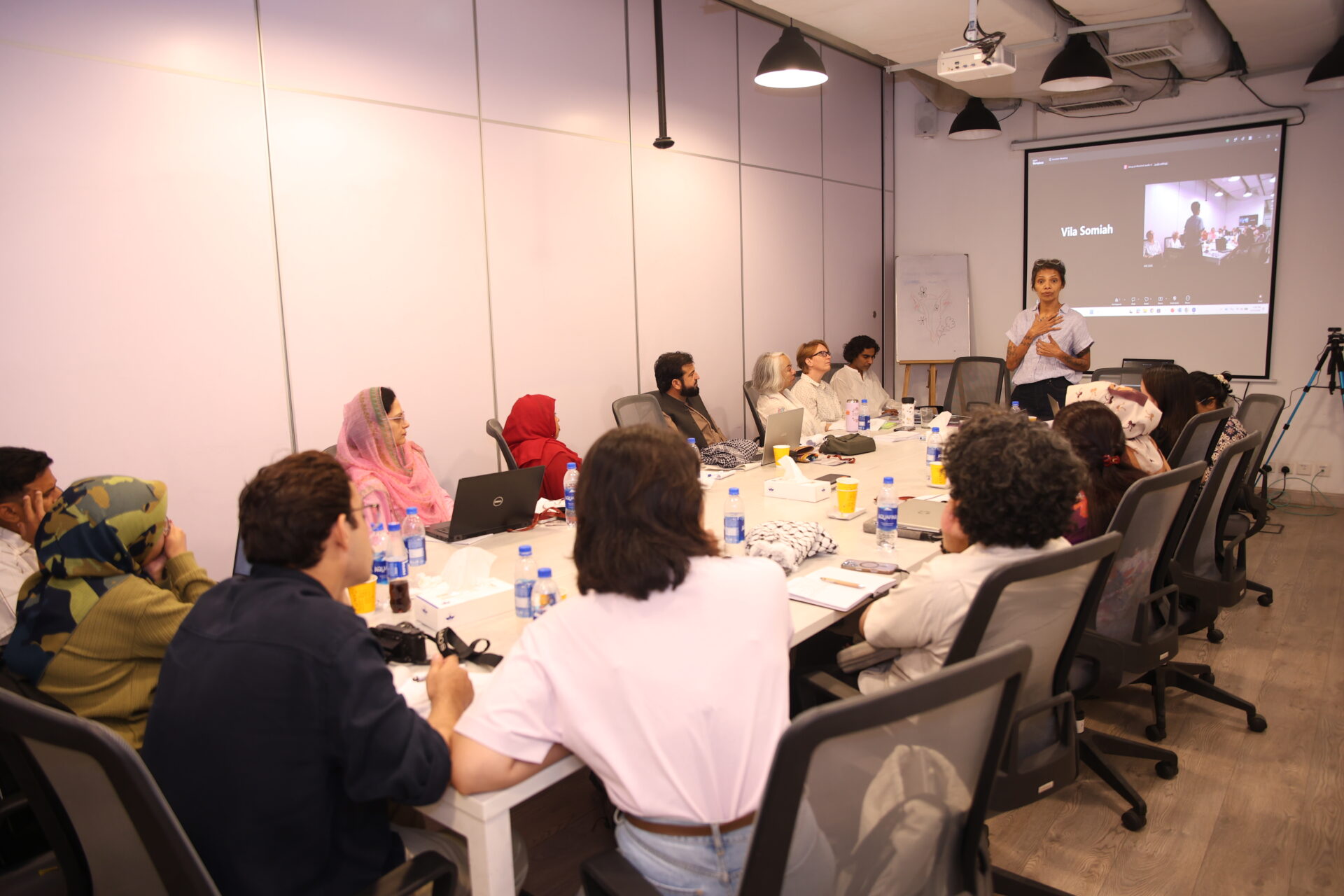
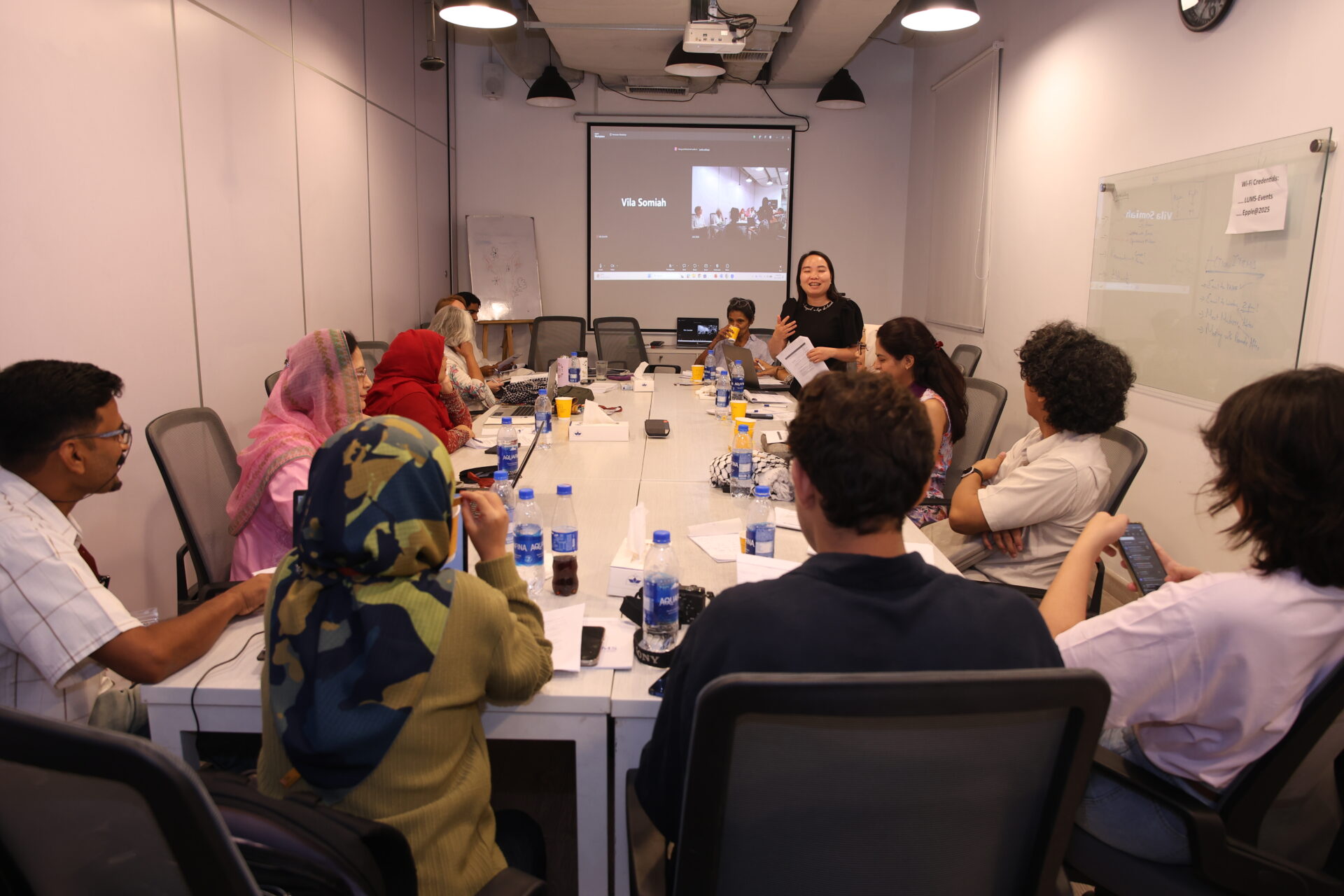
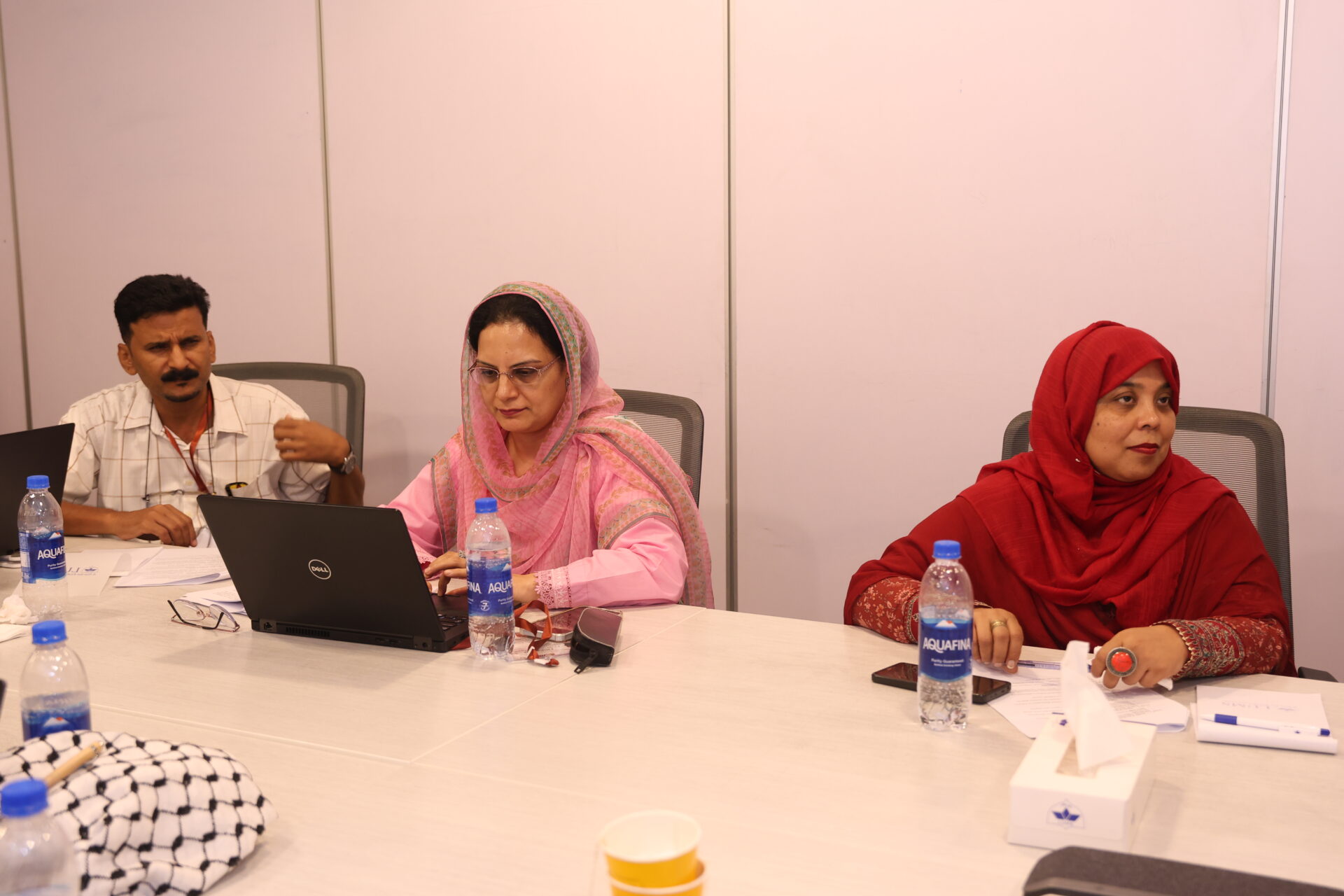

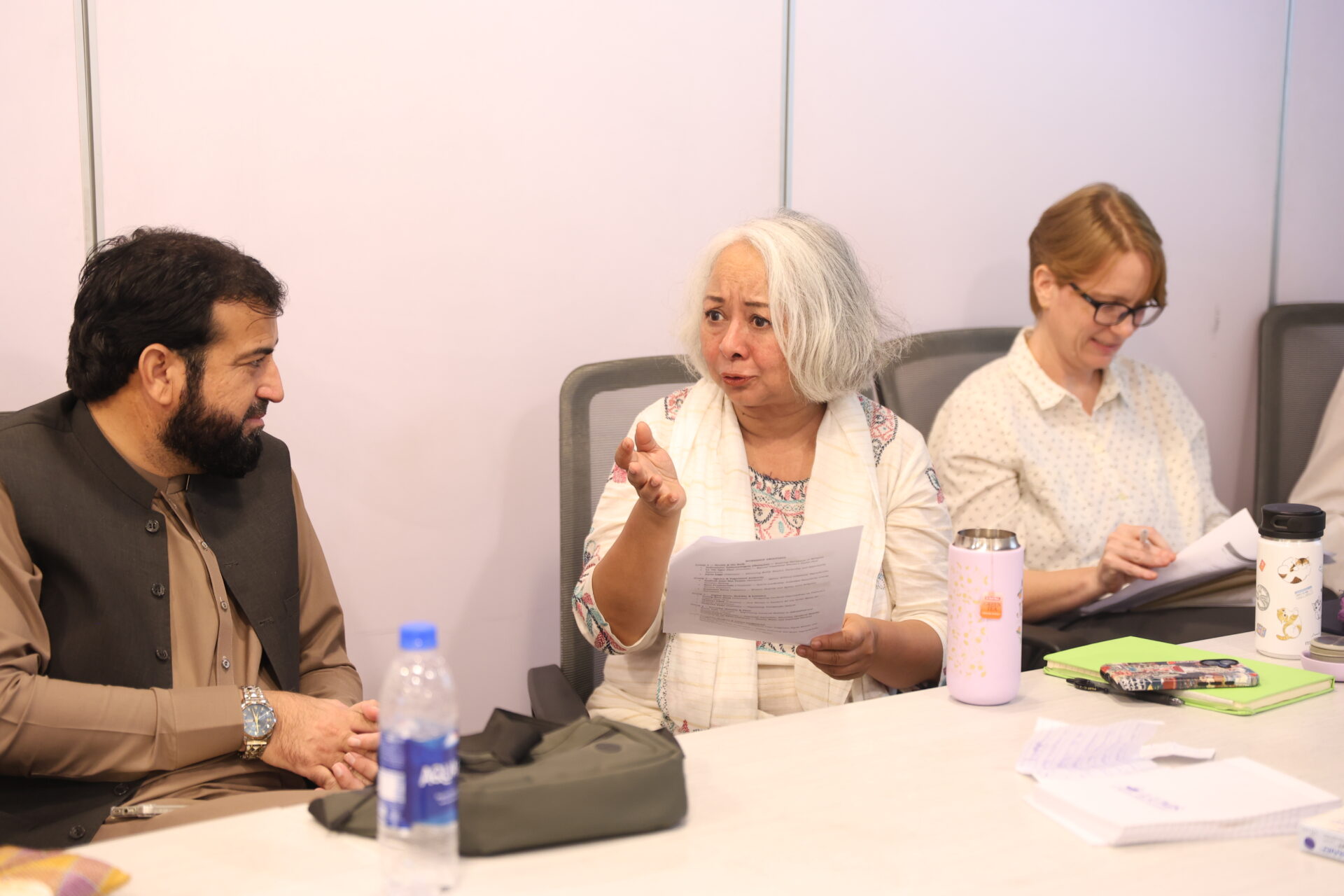

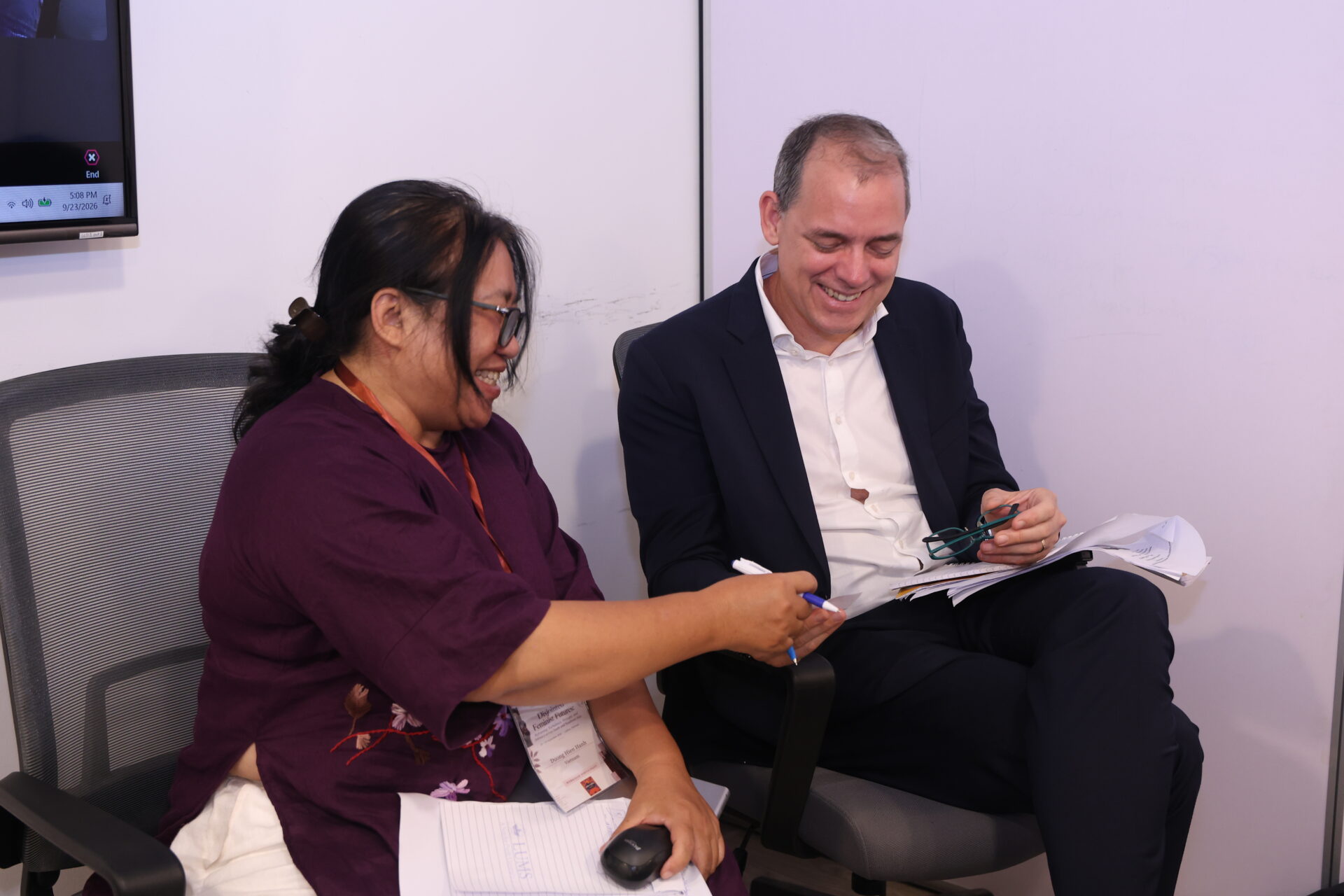


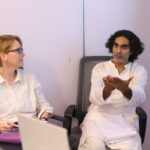
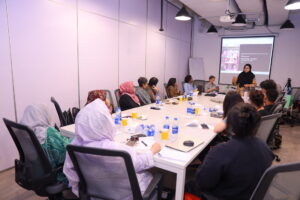
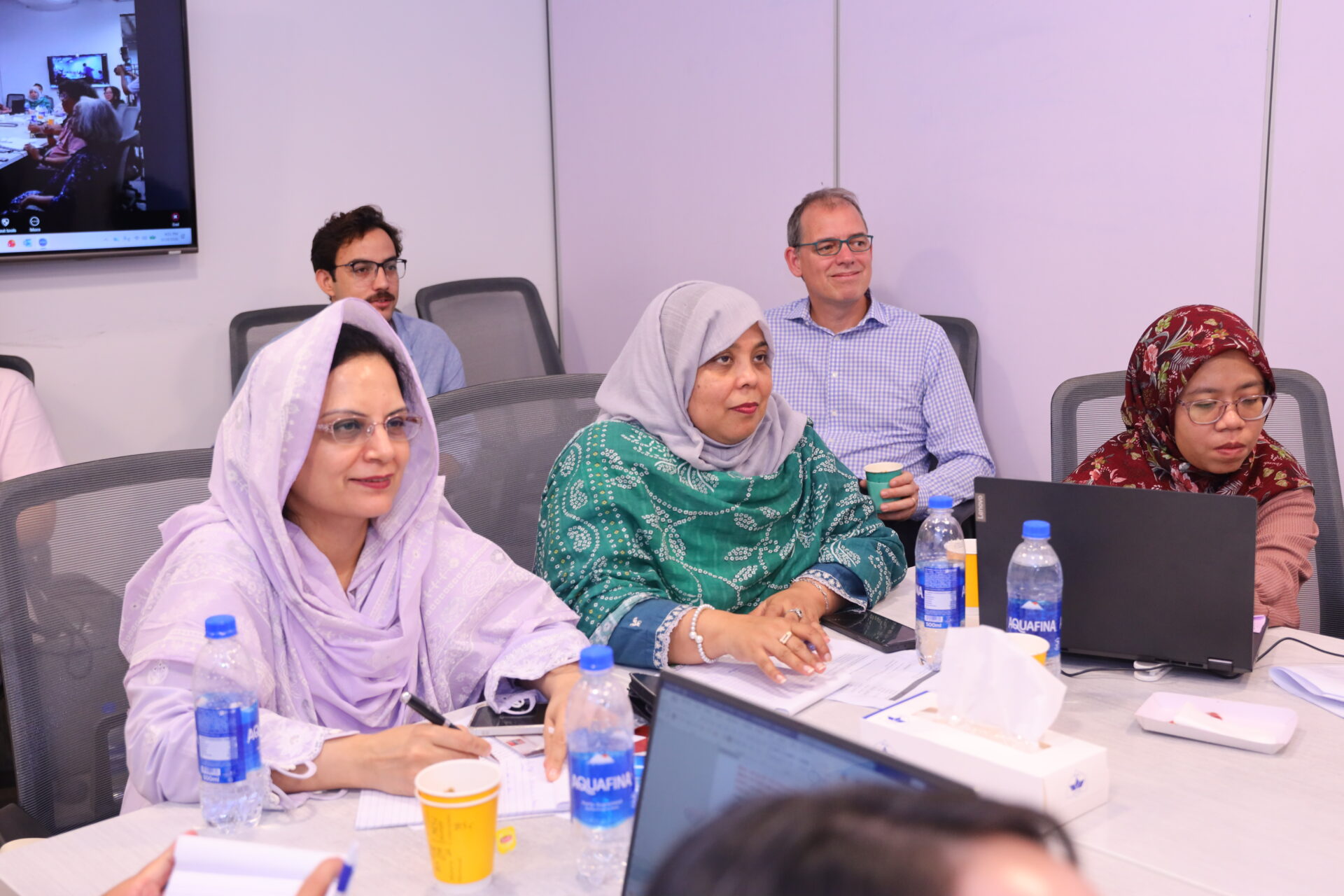
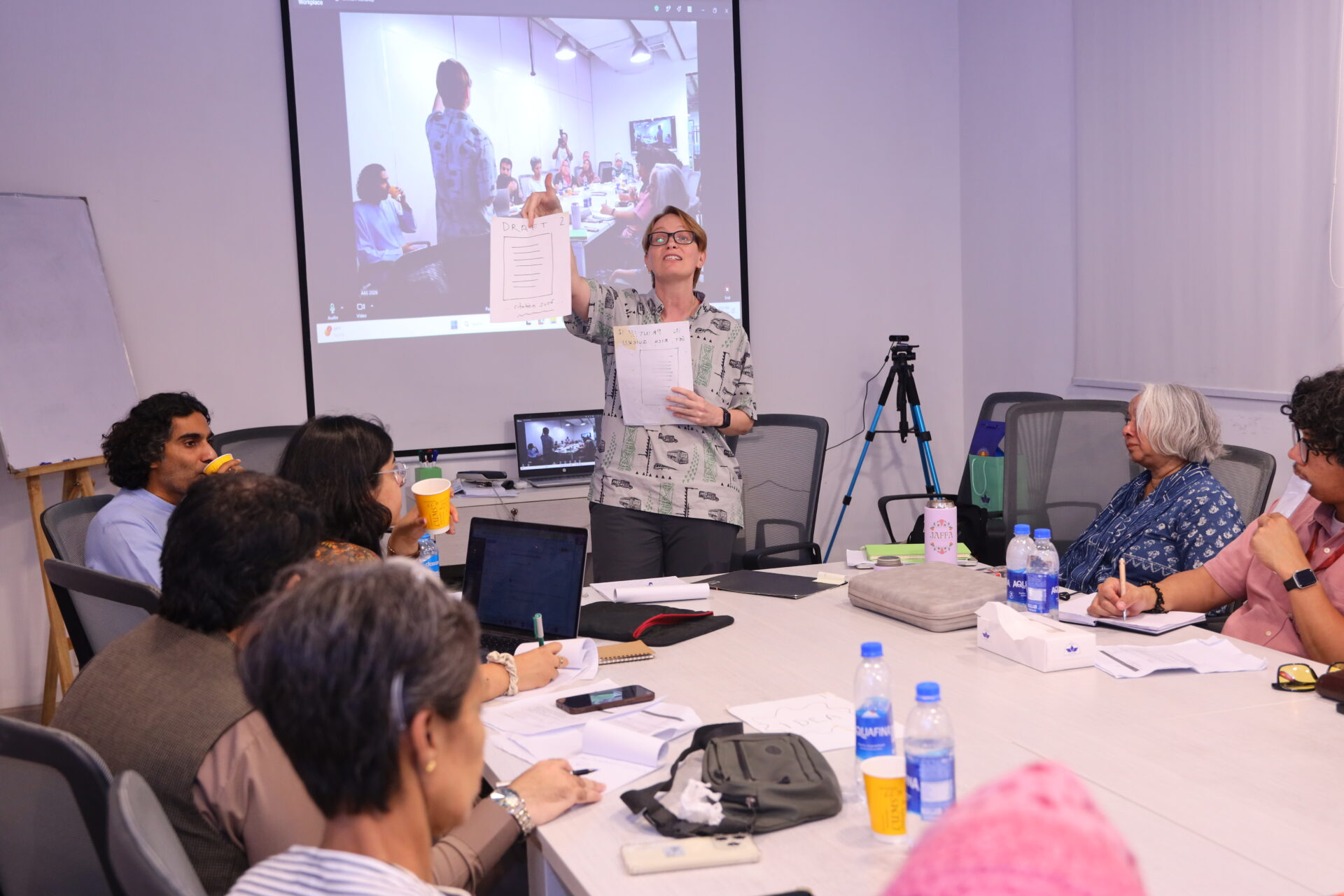
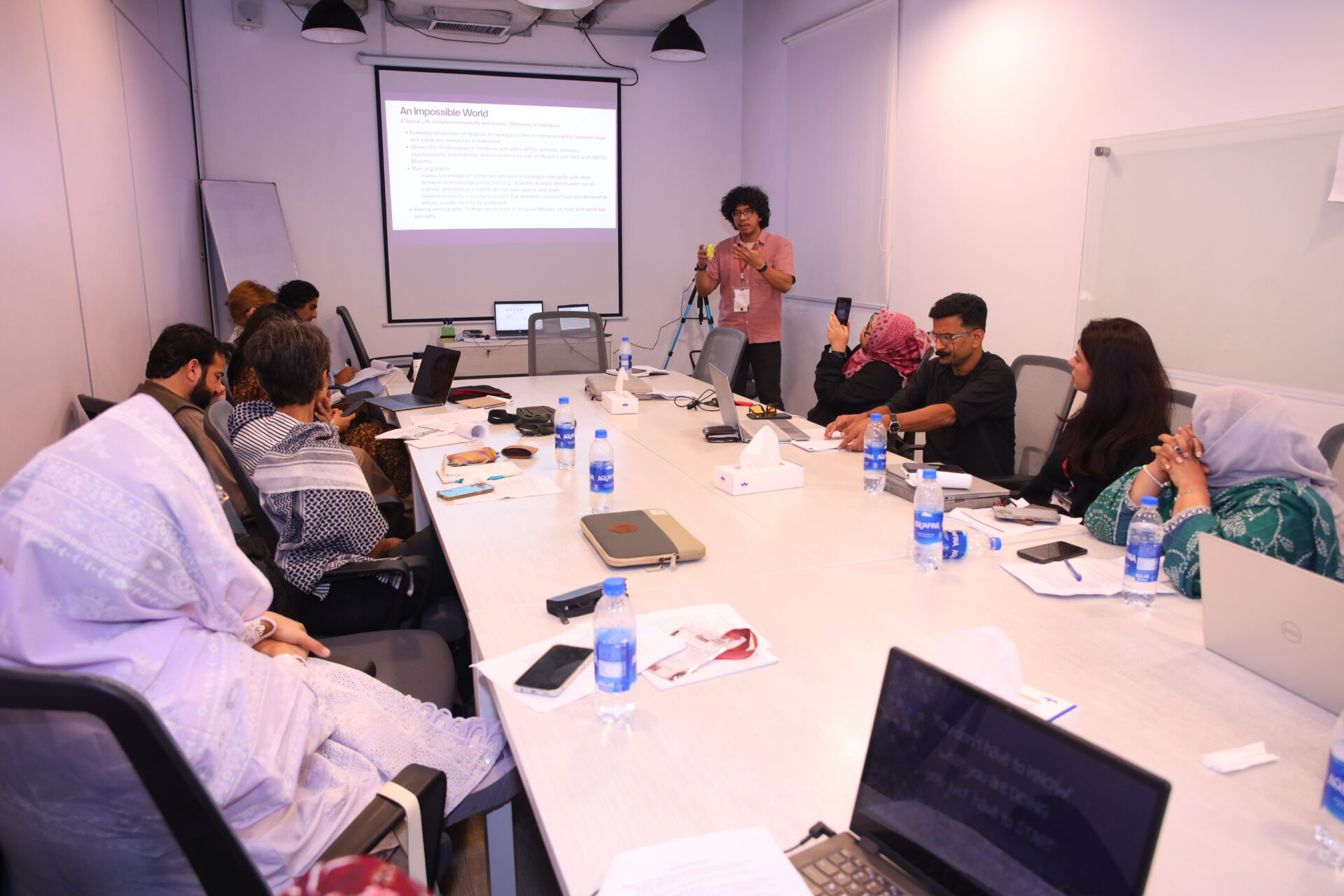
The bulk of the workshop time was dedicated to the participants working together in small groups of three each, to prepare their own respective research presentations in a format of their own choosing. The mentors floated between groups, but the idea of the emphasis on group work was to allow participants to find their own synergies. This was in effort to establish a non-hierarchical creative space, with a look toward developing future collaborations between participants. Following an hour of planning their presentations, each of the five groups presented their research projects to all workshop participants. While the majority of the presentations were formatted as typical academic lectures, there were some presentations which encouraged participants to empathize with the situations of research subjects.
These spanned across Day 1 and Day 2.
Workshop Day 2
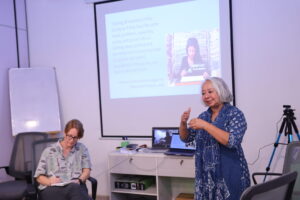
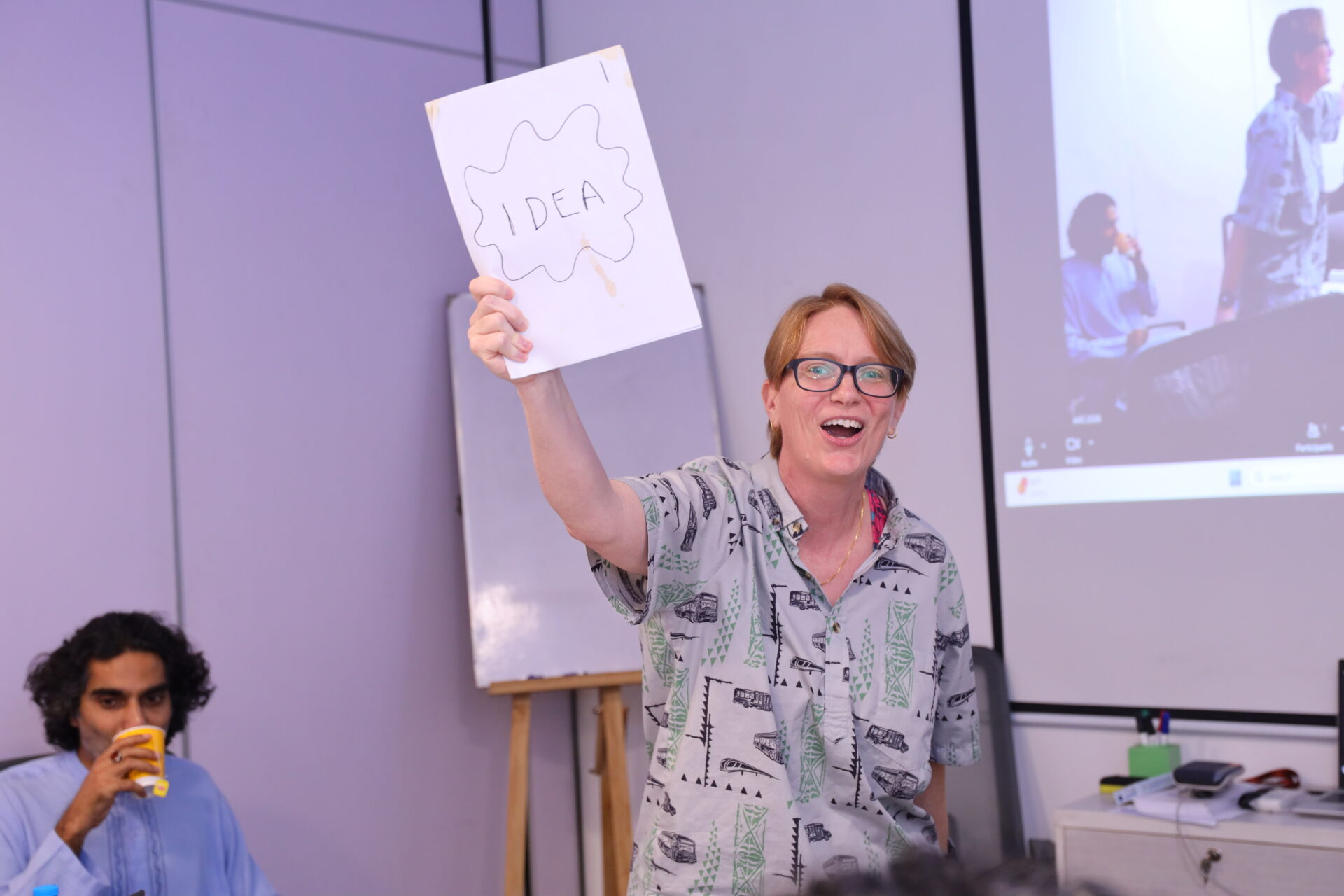
Following the lunch break and continued discussion of individual feedback and collaboration on presentation subjects, Jane Ferguson gave a performance art-style presentation, “12 Steps to Publishing a Journal Article.” This was principally based on her own eight years’ experience as editor of the Journal of Burma Studies. The platform helped facilitate questions and discussions about the publications process, from some basic “dos” and “don’ts” to more general questions about publishing, power, and engaging the questions raised by research in a broader arena.
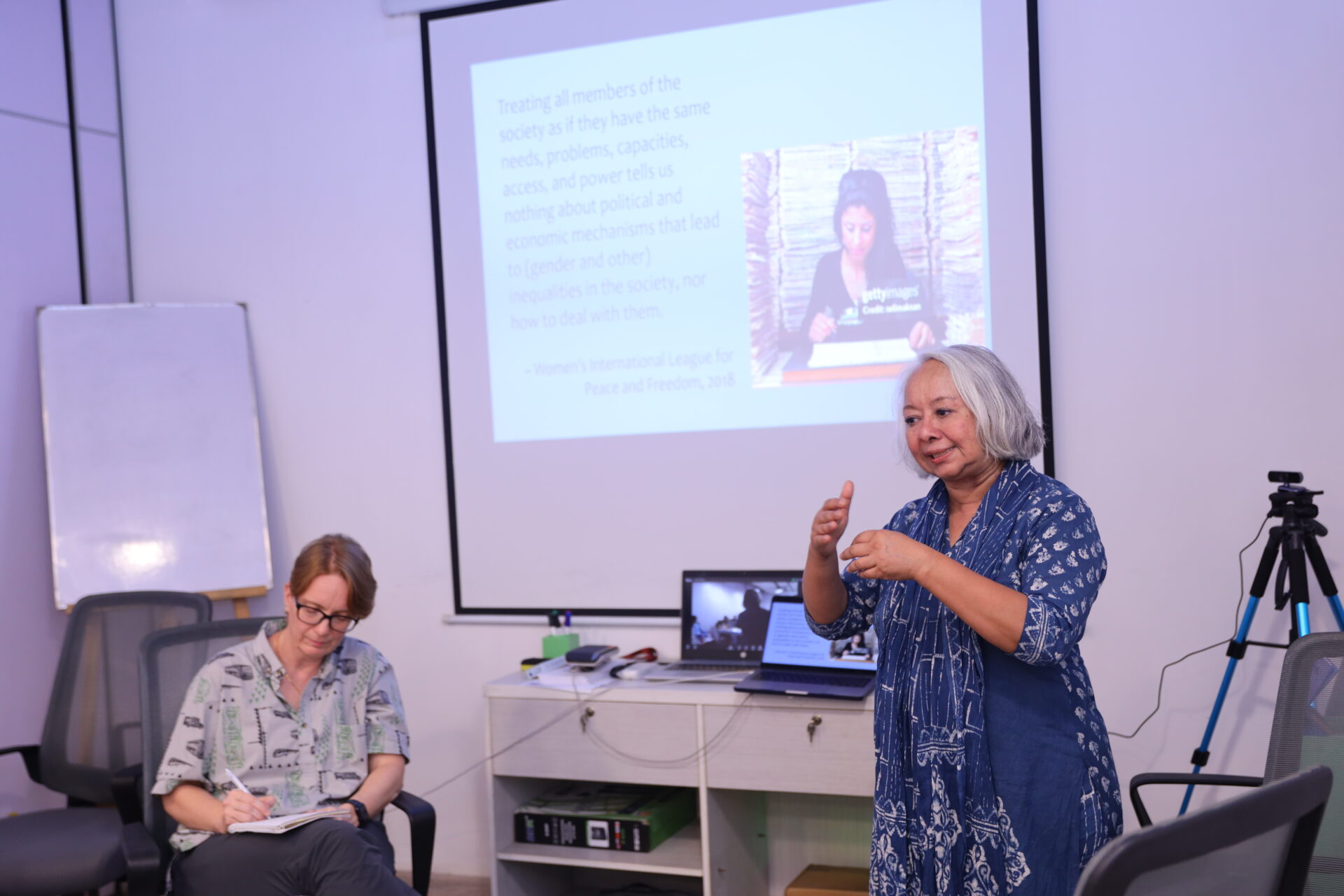
Elora Shehabuddin made a brief presentation on transnational feminist research, raising questions about producing feminist knowledge and best feminist citation practices.
The final workshop discussion had participants divided once again into small groups (different from the presentation workshop), with a new set of questions to engage. They were asked to choose from this list of five provocative questions and to think about how to build future synergies. The questions are as follows:
- What is the role of critique in feminist research? Can we be in solidarity, but also in disagreement, with our interlocutors?
- Is there a situation in which a story should not be told, or research should not be done? Is there an ethics for silence?
- How do you navigate or think about confirmation bias? [Finding what you were looking for]
- How might you use or distribute your research findings? Who will find your research useful? Who will dislike your research?
- How can we locate disjointedness in our research? How can this change what we do?
At the end of the workshop, a Monitoring, Evaluation, and Learning session was conducted by Tajwar Awan to impress upon the participants the privilege of being a part of a workshop like this one and to ensure that they, in turn, help others partake in the benefits they got from the workshop. The participants also filled in feedback forms for the workshop.